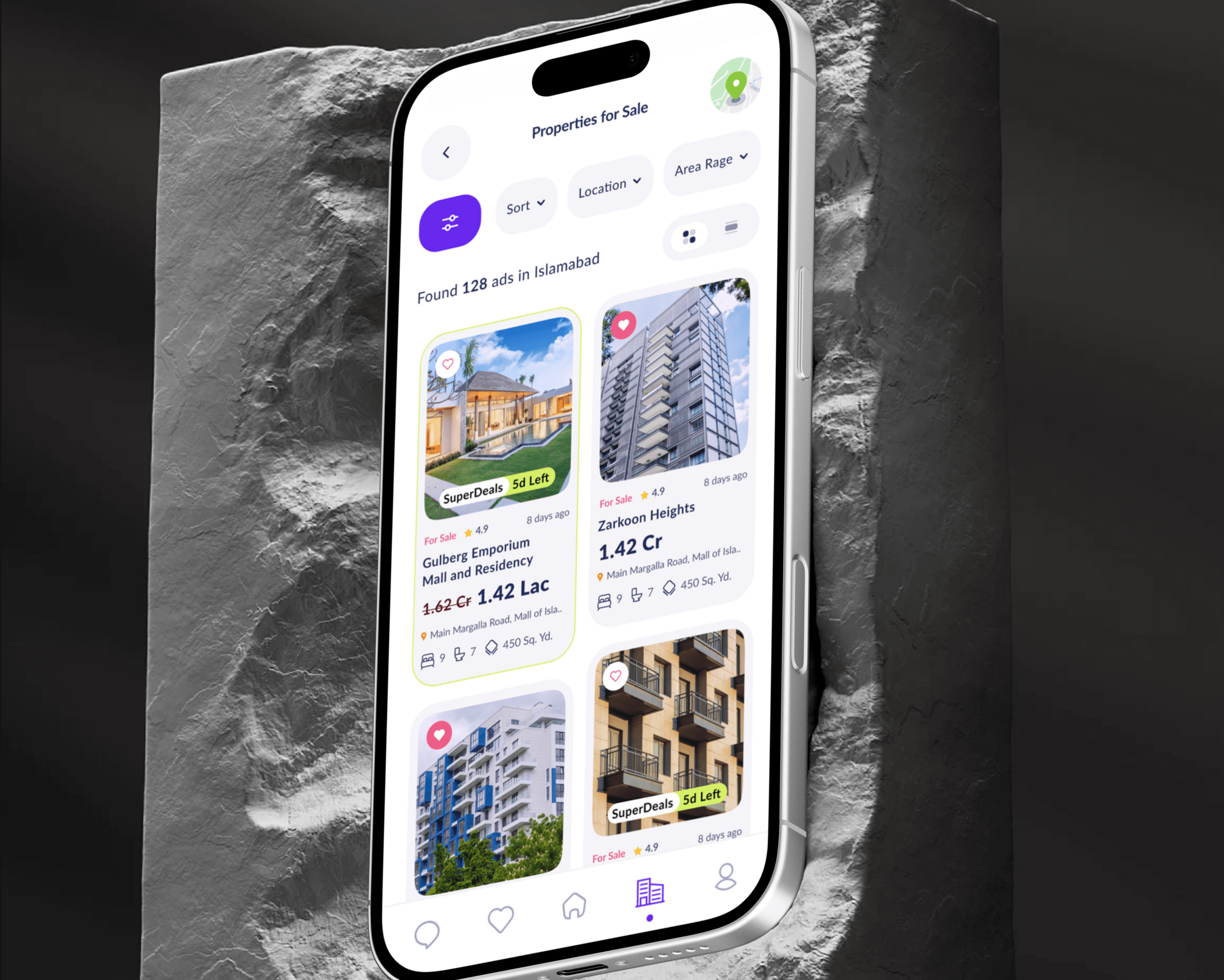
Apna Apartment Buying & Renting Apartments

Apna Apartment simplifies buying and renting apartments with an intuitive mobile app. Users can filter options by price, area, and...

Checkout Our Finest Achievements    
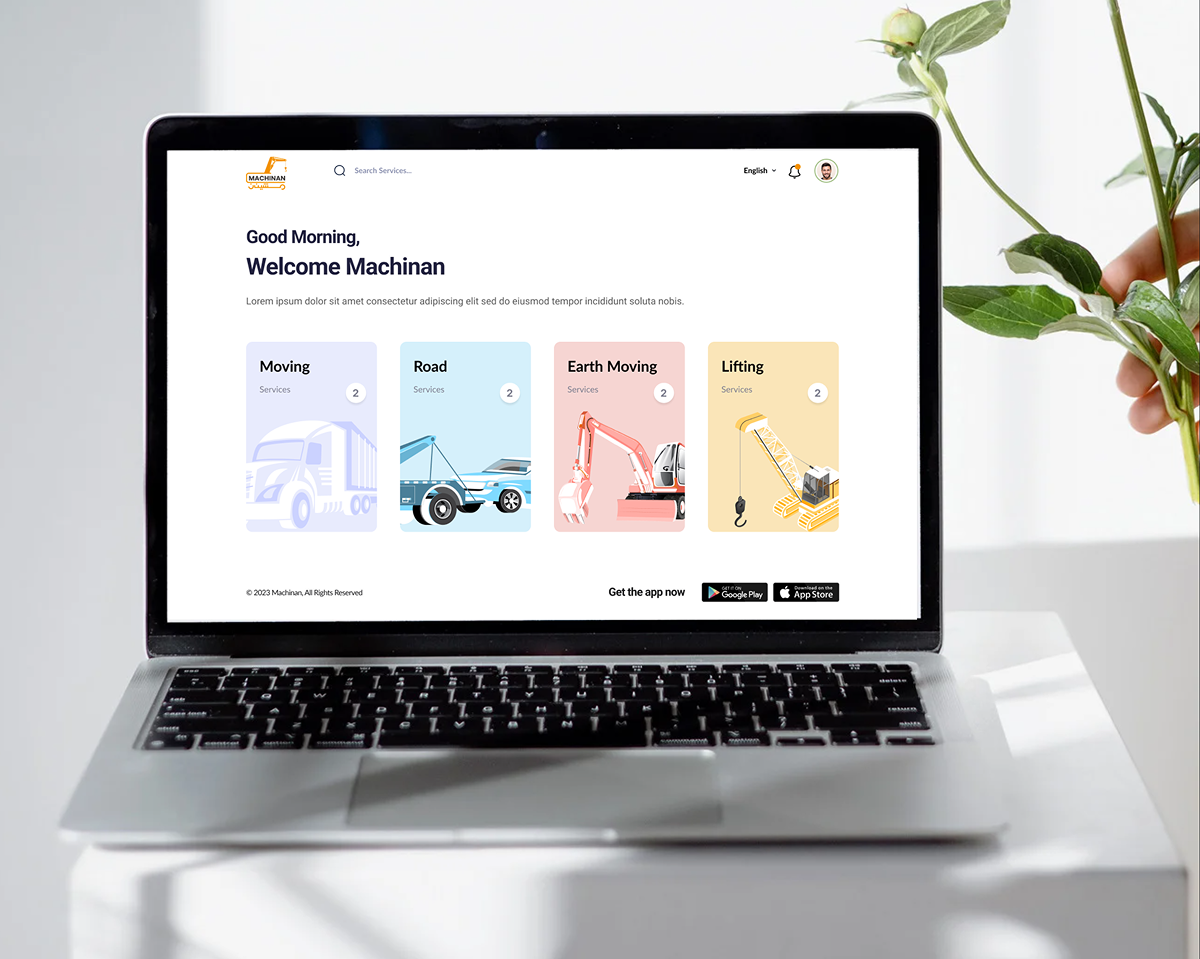
Machinan Rental App for Heavy Machinery

Machinan is a platform revolutionizing heavy machinery rentals by connecting customers and suppliers. It simplifies bookings, offers competitive rates, and...

Checkout Our Finest Achievements    

ERP Implementation for RadissonBlu Islamabad

Radisson Blu Islamabad, a premier luxury hotel, faced operational challenges with disconnected departments. We developed a customized ERP solution that...

Checkout Our Finest Achievements    
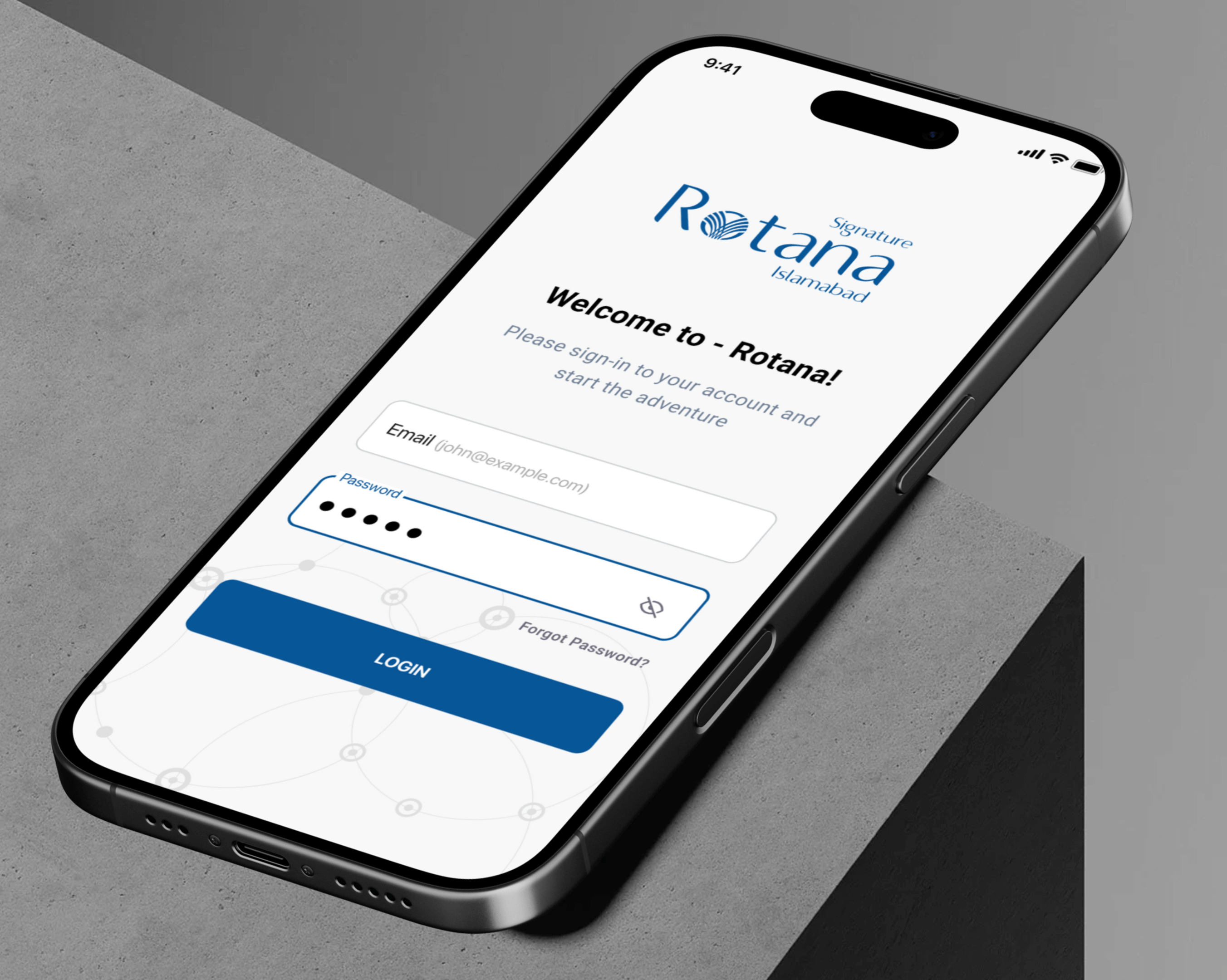
ERP Implementation for Signature Rotana

Signature Rotana faced inefficiencies from disconnected departments. Our ERP unified operations, boosting productivity and customer satisfaction.

Checkout Our Finest Achievements    
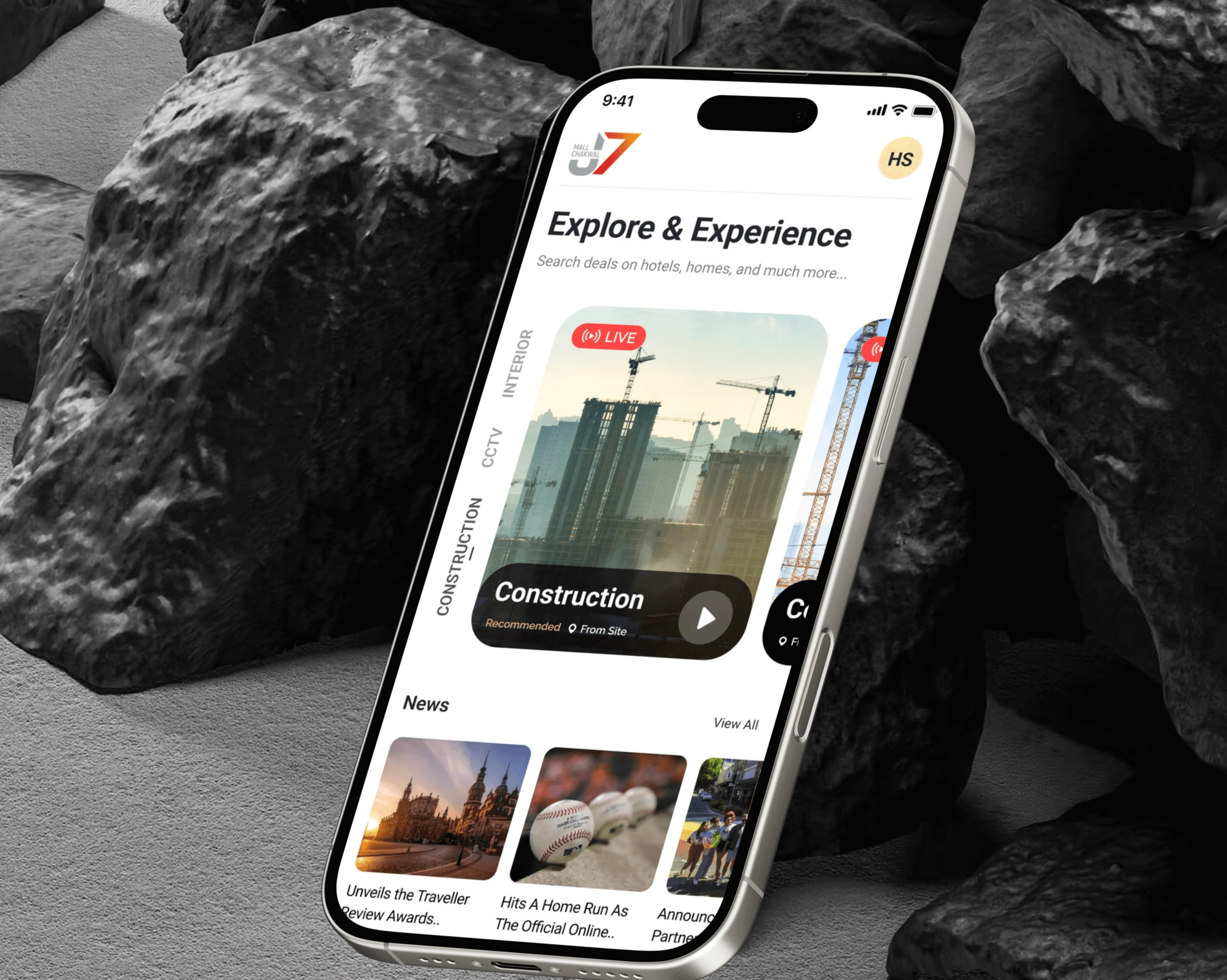
ERP Implementation for J7 Mall Chakwal

J7 Mall Chakwal, a growing retail hub, faced operational inefficiencies in sales, customer relationships, finances, and procurement. To streamline processes...

Checkout Our Finest Achievements    

Picking Your MVP Features: Two Techniques to Guide You

So, you've got a brilliant idea for a software product. You're brimming with excitement, eager to get it out there and change the world (or at least, a small corner of it). But before you dive headfirst into development, it's...

Picking Your MVP Features: Two Techniques to Guide You

So, you’ve got a brilliant idea for a software product. You’re brimming with excitement, eager to get it out there and change the world (or at least, a small corner of it). But before you dive headfirst into development, it’s crucial to define your Minimum Viable Product (MVP).


The MVP is the bare-bones version of your product, containing only the most essential features to attract early adopters and validate your core assumptions. Picking the right features for your MVP is a critical decision that can significantly impact your success. Here are two effective techniques to help you make those crucial choices:


1. The MoSCoW Method

This prioritization framework helps you categorize features based on their importance:

  • Must Have: These are absolutely essential for your product to function and deliver core value. Without them, the MVP is essentially non-existent.
  • Should Have: These features are highly desirable and add significant value, but the product can still function without them in the initial release.
  • Could Have: These are nice-to-have features that would enhance the user experience but are not critical for the initial launch.
  • Won’t Have: These features are not considered for the initial MVP release and will be addressed in future iterations.

By applying the MoSCoW method, you gain a clear understanding of which features are truly vital for your initial launch and which can be prioritized for future development.


2. The Kano Model

This model categorizes customer needs into three groups:

  • Basic Needs (Must-be): These are the fundamental features that customers expect and assume will be present. Failing to deliver on these needs will lead to dissatisfaction.
  • Performance Needs (One-dimensional): These features directly correlate with customer satisfaction. The better they perform, the happier customers will be.
  • Excitement Needs (Attractive): These are unexpected features that delight customers and create a strong positive impression.

By identifying and focusing on basic needs and a few key performance and excitement features, you can create an MVP that not only satisfies core requirements but also delights your early adopters.


Key Considerations:

  • Customer Validation: Involve potential customers in the decision-making process through surveys, interviews, and beta testing. Their feedback is invaluable.
  • Competitive Analysis: Analyze your competitors’ offerings to understand what features are essential and what differentiates them.
  • Resource Constraints: Be realistic about your budget and development timeline. Prioritize features that can be developed efficiently within your constraints.

By carefully applying these techniques and considering the factors mentioned above, you can effectively select the MVP features that will maximize your chances of success.


Remember: The goal of the MVP is to learn and iterate. By releasing a minimal version of your product and gathering feedback from early adopters, you can continuously refine your offering and ensure it meets the evolving needs of your target market.