So, you’ve got a brilliant software idea. You’re brimming with excitement, ready to conquer the world (or at least, a specific niche within it). But building successful software is a journey, not a sprint. It requires careful planning, meticulous execution, and a relentless focus on user needs. This guide will walk you through the key steps, from that initial spark of an idea to launching a valuable product that users love.
1. The Spark: Validating Your Idea
Before diving headfirst into development, it’s crucial to validate your idea.
- Identify the Problem: What problem are you solving? Who is facing this problem?
- Market Research:
- Competitive Analysis: Who are your competitors? What are they doing well? Where are their weaknesses?
- Target Audience: Who are your ideal users? What are their needs, pain points, and frustrations?
- Market Size & Trends: Is there a real demand for your solution? Is the market growing?
- Value Proposition: What makes your solution unique? Why should users choose you over the competition? What unique value do you bring to the table?
- The MVP Mindset: Start with the absolute minimum features needed to launch and test your core assumptions. This “Minimum Viable Product” helps you get to market faster and gather valuable user feedback.
2. Planning & Preparation: Laying the Foundation
Now that you’ve validated your idea, it’s time to lay the groundwork for a successful project:
- Project Scope: Clearly define the project’s boundaries and deliverables. What will the software do? What will it not do?
- Timeline & Budget: Create a realistic project schedule and budget to guide your development efforts.
- Assemble Your Dream Team: Find talented developers, designers, and testers who share your passion and bring the necessary skills to the table.
- Gather Requirements:
- User Stories: Describe user needs and goals in a clear and concise way (e.g., “As a user, I want to be able to easily track my expenses so that I can understand my spending habits”).
- Technical Specifications: Define technical requirements, such as programming languages, databases, and APIs.
3. Design & Development: Bringing Your Vision to Life
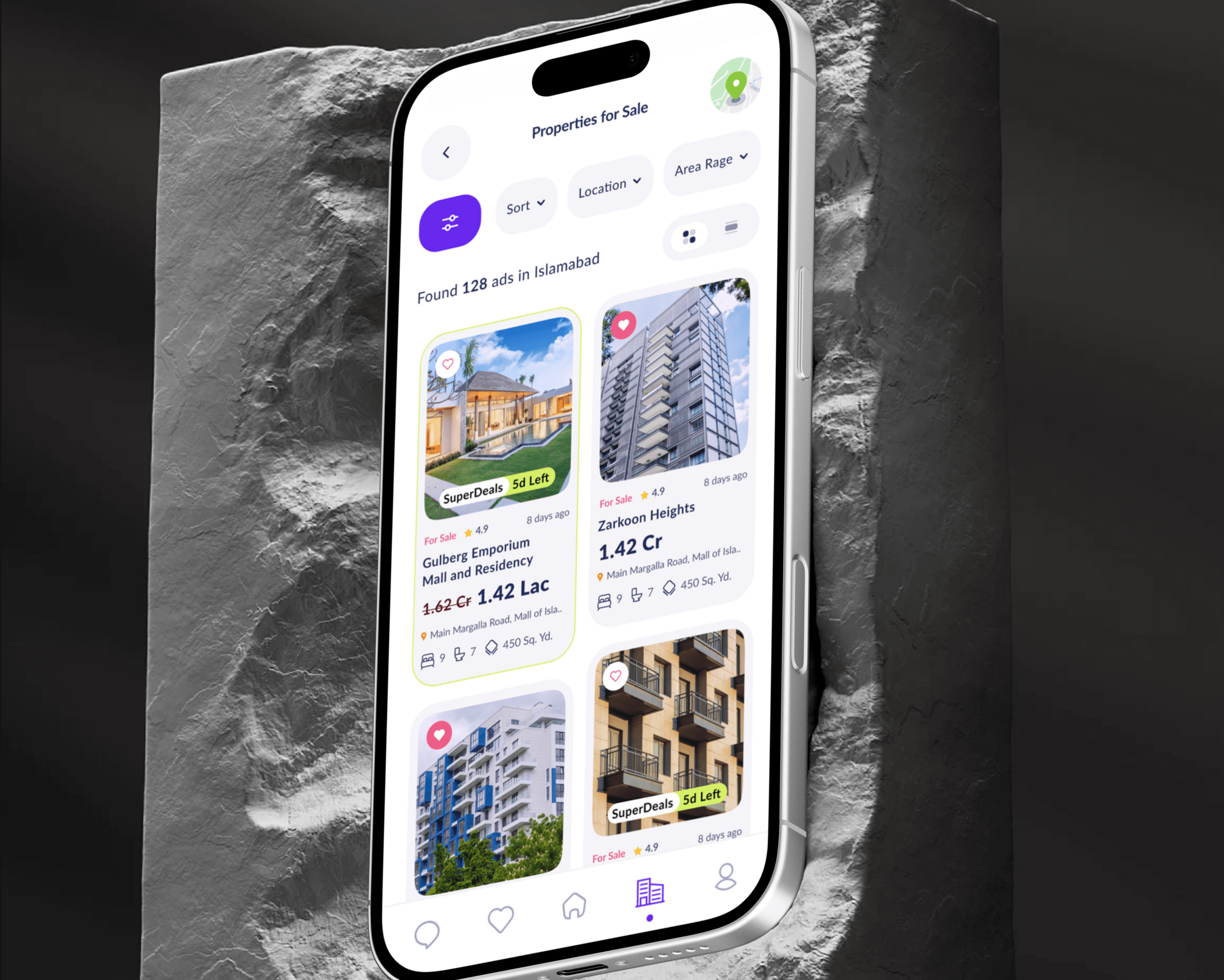
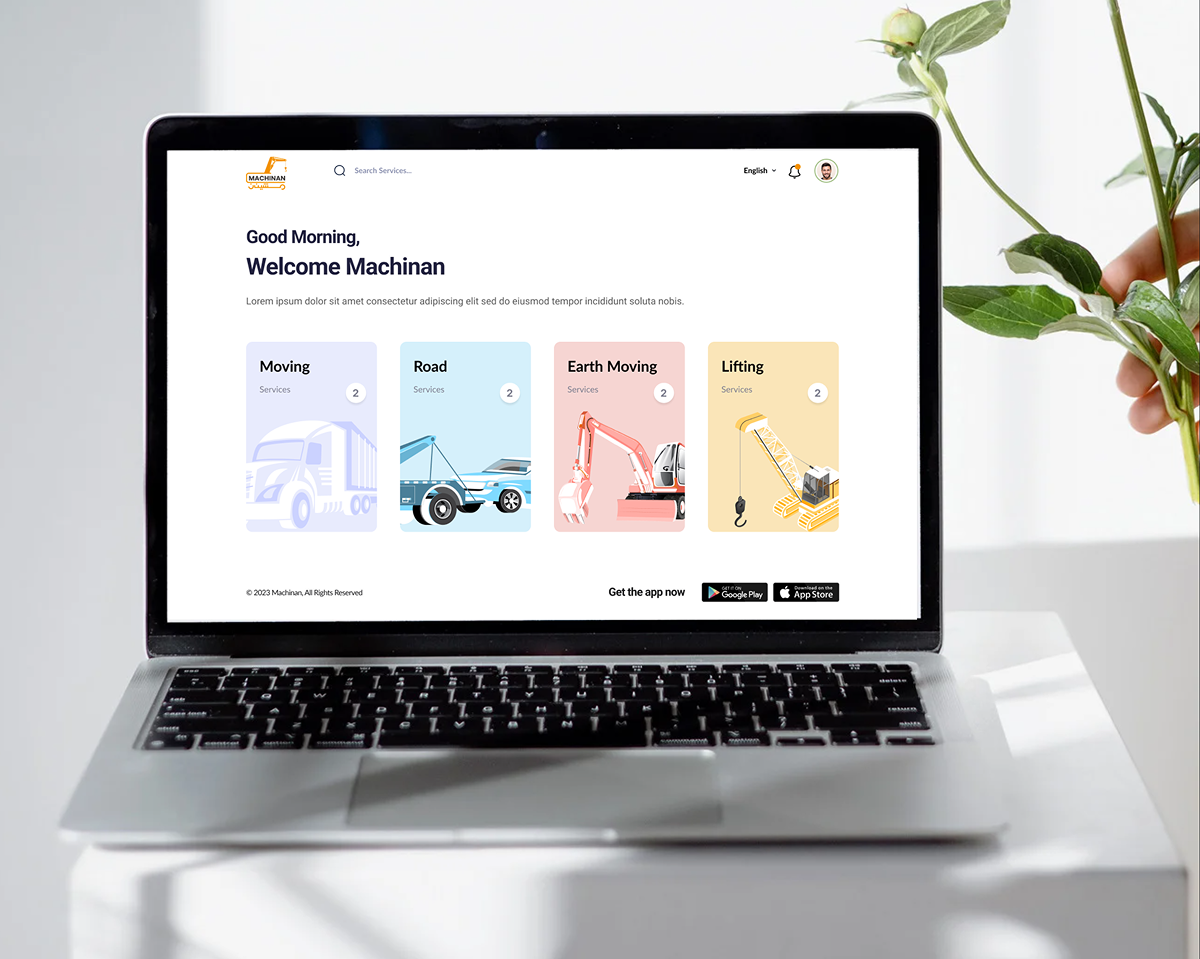
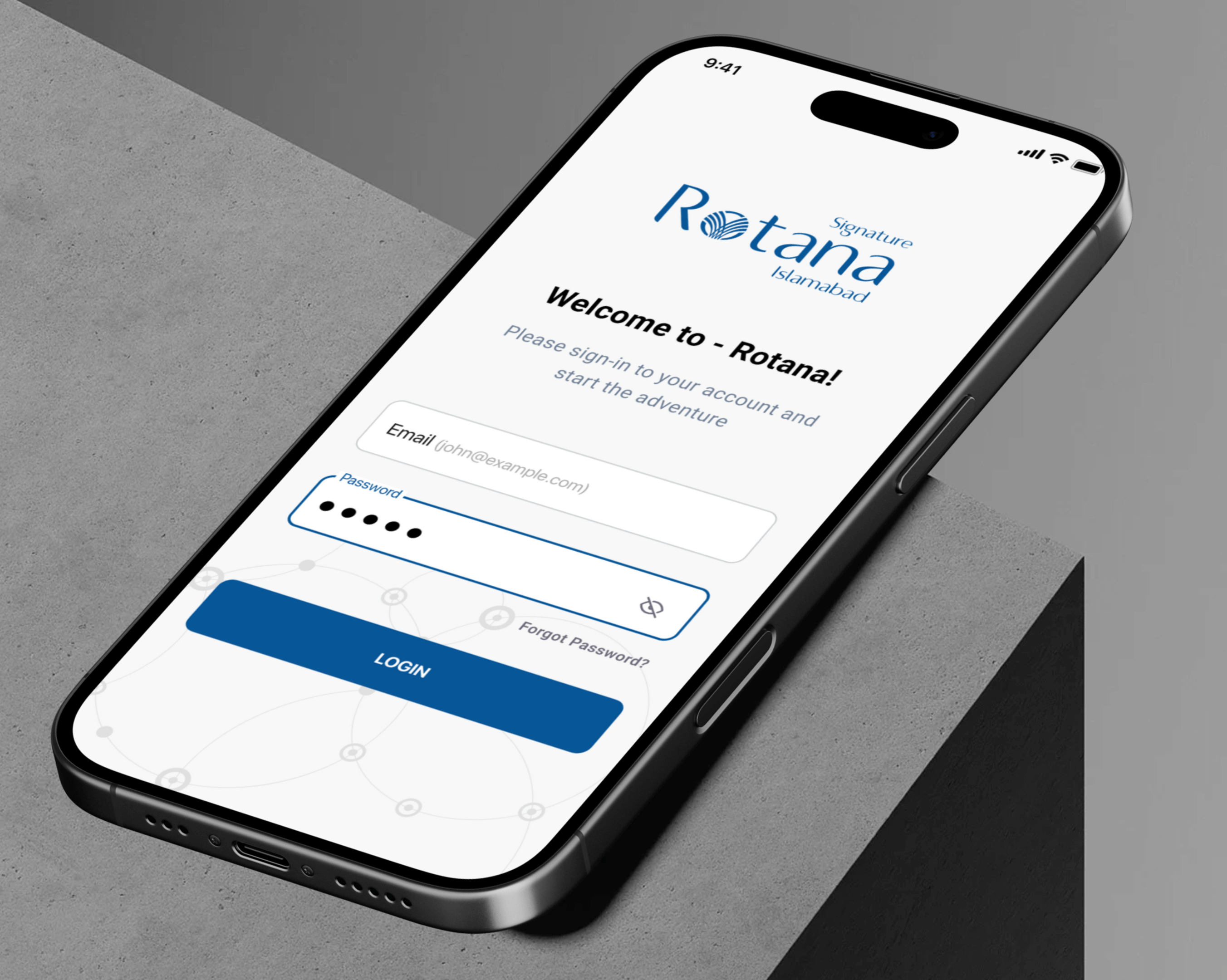
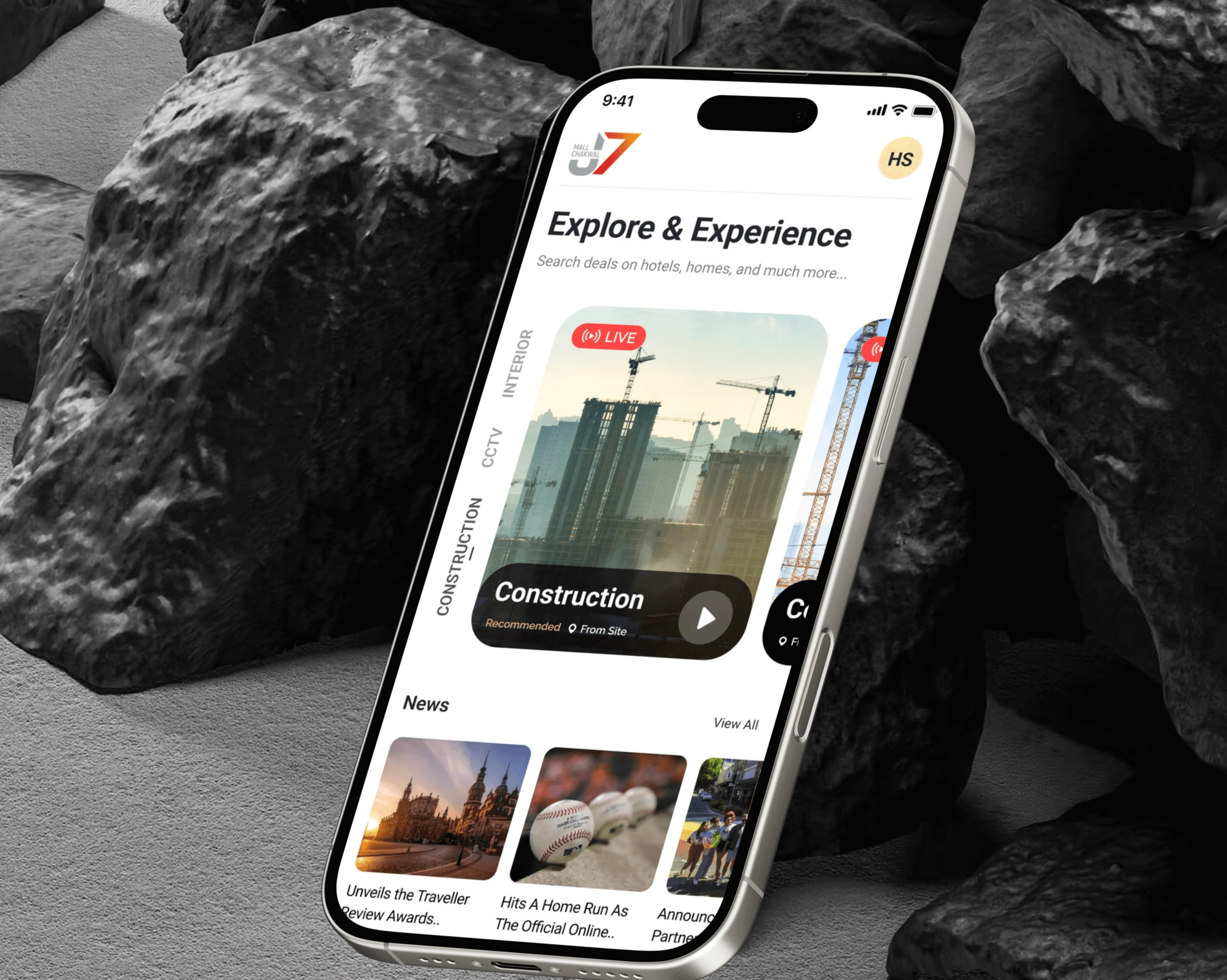
- User-Centered Design: Prioritize the user experience (UX). Create intuitive and visually appealing interfaces (UI).
- Prototyping Magic: Develop interactive prototypes to test user flows, gather feedback, and refine your design before writing a single line of code.
- Agile Development: Embrace iterative development methodologies like Scrum or Kanban. These approaches allow for flexibility, adaptability, and continuous improvement.
- Coding & Testing: Write clean, well-documented code and conduct rigorous testing throughout the development process to ensure quality and catch bugs early on.
4. Launch & Beyond: Getting Your Product Out There
- Go-to-Market Strategy: Define your launch strategy, including marketing channels (social media, content marketing, PR), public relations, and any special promotions.
- Launch Day! It’s time to unveil your product to the world!
- Post-Launch Support: Provide excellent customer support, promptly address bugs, and gather user feedback.
5. Iteration & Growth: The Ongoing Journey
- Listen to Your Users: Continuously gather user feedback through surveys, reviews, and in-app analytics.
- Product Roadmap: Plan future updates and new features based on user feedback, market trends, and your own insights.
- Embrace Growth Hacking: Explore innovative marketing and growth strategies to expand your user base and achieve your business goals.
Building successful software is an ongoing journey of learning and improvement. Embrace the challenges, celebrate the victories, and never stop iterating based on user feedback.